

Kenya has renewed its commitment to advancing the rights and welfare of persons with disabilities, with President William Ruto pledging continued investment in programmes aimed at promoting inclusion and equal opportunities.
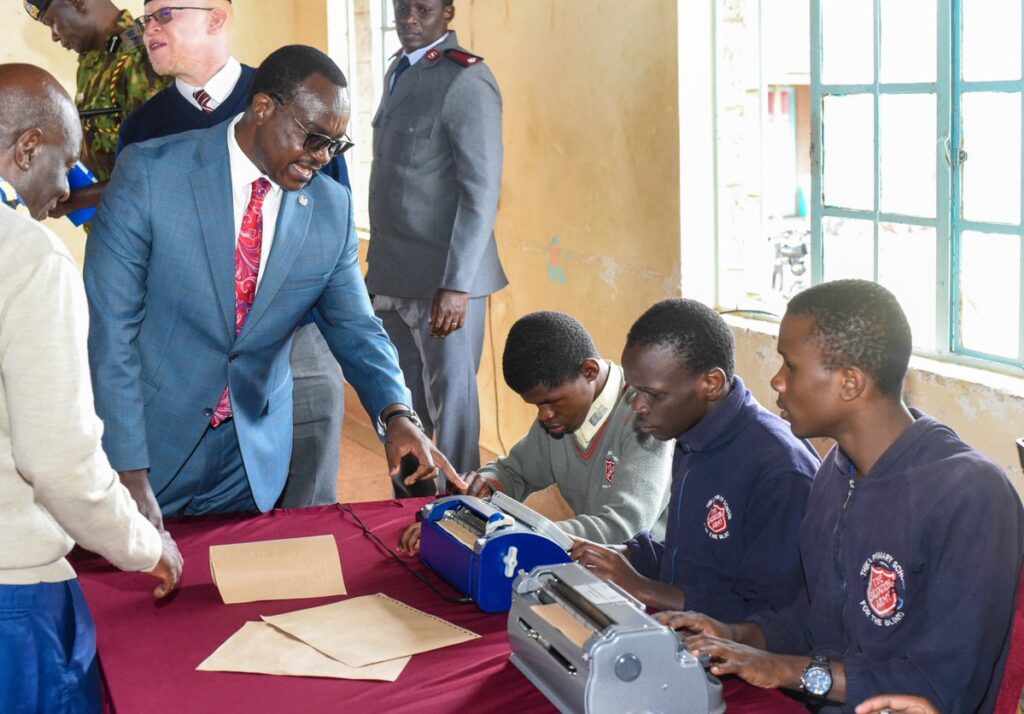
The President’s message was delivered by Education Cabinet Secretary Julius Ogamba during this year’s International Albinism Awareness Day celebrations held in Thika.
The event brought together government officials, disability rights advocates and members of the albinism community to reflect on progress made and challenges that remain.
Addressing the gathering, the President urged Kenyans to embrace diversity and reject discrimination in all its forms, saying every individual deserves dignity and equal treatment regardless of physical appearance or disability.
This year’s theme, “Proudly in My Skin, Celebrating All Skin Tones,” was highlighted as a reminder of the need to foster a more inclusive society.
“The theme challenges society to move beyond stereotypes and prejudices and instead celebrate the unique qualities that make every individual valuable,” the President said in a speech read on his behalf.
Ruto stressed that disability should never stand in the way of education, employment or leadership opportunities, adding that the country’s development depends on ensuring no one is left behind.
“Human dignity is neither determined by appearance, nor is human worth defined by disability,” he said.
President Ruto reaffirmed the government’s commitment to policies that expand access to education and employment for persons with disabilities. He also pledged continued investment in assistive technologies, accessible infrastructure and teacher training to better support learners with special needs.
The celebrations also highlighted initiatives targeting persons with albinism, a group that continues to face social and health-related challenges.
Government Spokesperson Isaac Mwaura said Kenya’s National Albinism Sunscreen and Support Programme have become an example of disability inclusion globally.
Established in 2013 under the National Council for Persons with Disabilities (NCPWD), the programme provides sunscreen, healthcare services and other support to persons with albinism.
According to Mwaura, the government allocates about Sh100 million annually to sustain the programme, helping reduce health risks associated with prolonged exposure to sunlight while improving access to essential services.
He also praised programmes run by the Albinism Society of Kenya, including Imarisha Masomo, Ajira and Linda Afya, saying they have opened opportunities in education, healthcare and employment for many beneficiaries.
“The success stories emerging from these initiatives continue to inspire younger generations and demonstrate the value of investing in inclusion,” Mwaura said.
National Council for Persons with Disabilities Assistant Director in charge of the Albinism Programme Alex Munyere welcomed the government’s support, noting that an additional Sh10 million was reinstated last year to strengthen services for persons with albinism.
He said the additional funding has expanded access to support programmes and improved service delivery in different parts of the country.
Munyere further commended efforts aimed at increasing employment opportunities for persons with disabilities, saying economic empowerment remains key to achieving meaningful inclusion.
Meanwhile, Albinism Society of Kenya Programmes Officer Daniel Omeno called for collective action from government, private institutions and communities to address persistent barriers facing persons with albinism.
He urged stakeholders to broaden access to healthcare, education, sun protection products and jobs while confronting stigma and harmful misconceptions.
“Creating an enabling environment allows individuals with albinism to fully realise their potential,” Omeno said.
