

Eight minors have been charged with 16 counts of murder in connection with the deadly fire at Utumishi Girls Academy in Gilgil, Nakuru County, that claimed the lives of 16 students.
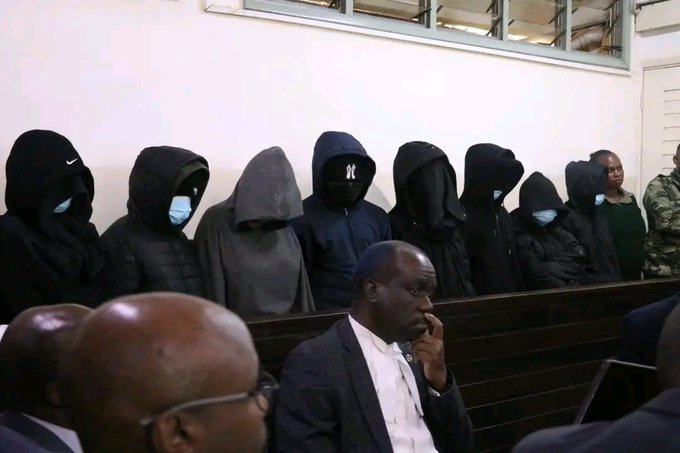
The minors appeared before the High Court in Kibera, where they pleaded not guilty after the court found them fit to stand trial.
Justice Diana Kavedza admitted their pleas after considering psychiatric evaluation reports prepared by three psychiatrists from Mathari National Teaching and Referral Hospital, all of whom concluded that the accused were mentally fit to participate in the proceedings.
According to the Office of the Director of Public Prosecutions (ODPP), the eight minors are accused of jointly causing the deaths of the 16 students during the night of May 27 and 28, 2026, at the school in Gilgil.
The Director of Public Prosecutions opposed the release of the accused on bail, arguing that their continued detention is necessary to safeguard the integrity of the trial and ensure the proper administration of justice.
In an affidavit filed before the court, the prosecution said investigations had uncovered substantial evidence allegedly linking each of the minors to the planning and execution of the acts that culminated in the fatal fire.
The prosecution further argued that releasing the accused at this stage could expose them to retaliation, harassment, stigmatization, mob justice and other forms of harm due to the intense public interest surrounding the case.
In her ruling, Justice Kavedza noted that the proceedings involve the prosecution of eight minors over the tragic loss of 16 young lives, describing the charges as among the most serious offences under Kenyan law.
The judge also observed that the case had been transferred from the High Court in Naivasha to the High Court in Kibera for administrative and security reasons, emphasizing that the move was intended to facilitate the safe, orderly and impartial administration of justice.
Justice Kavedza directed that all proceedings be conducted in a child-sensitive and trauma-informed manner while upholding the integrity of the criminal justice process.
To protect the identities of the accused, the court ordered that each minor be identified only by an anonymised code throughout the proceedings.
It also prohibited the publication of names, photographs, videos, voice recordings, school details, residential addresses or any other information that could reveal the identities of the minors or their immediate family members.
The court, however, allowed accredited media to attend and report on proceedings held in open court, provided coverage remains fair, accurate and limited to court proceedings, judicial rulings, procedural developments and other matters of legitimate public interest.
Justice Kavedza warned that any breach of the anonymity orders would constitute serious interference with the administration of justice.
