

The World Meteorological Organization (WMO) has forecast a possibly strong El Niño that could drive up global temperatures and increase the risk of extreme weather over the coming months.
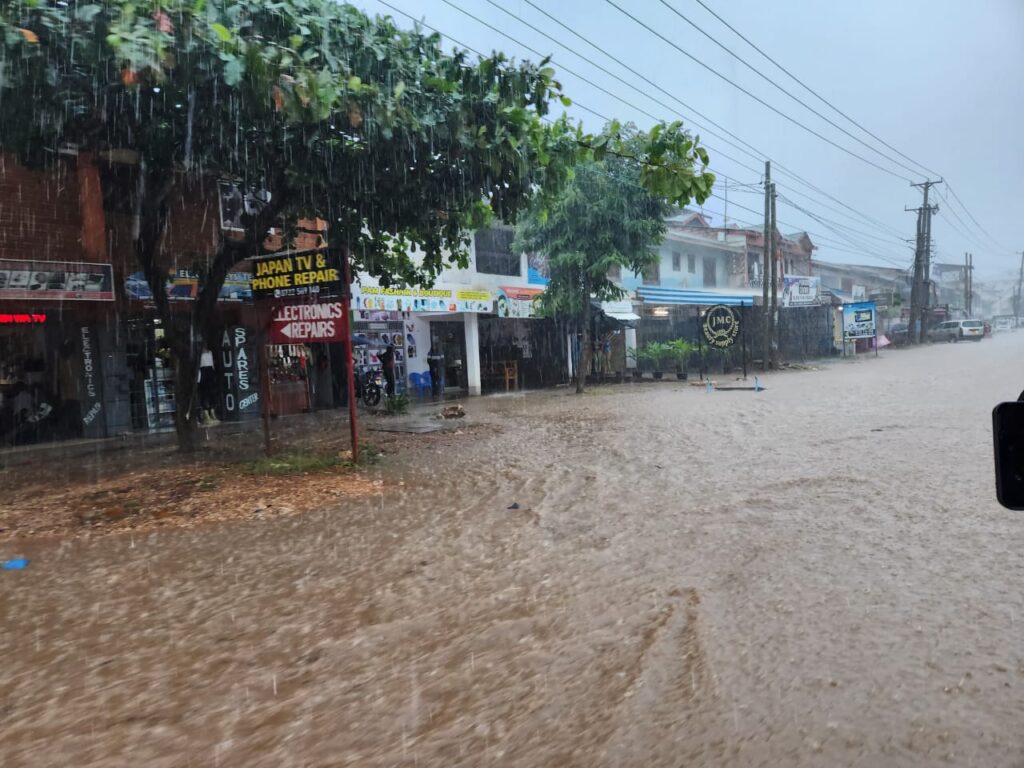
According to the United Nations weather agency, there is an 80% chance of the warming El Niño phenomenon developing between June and August, increasing the risk of extreme weather events.
“A new WMO El Niño/La Niña Update indicates an 80% likelihood of an El Niño event during June-August 2026,” stated World Meteorological Organization.
The WMO also said warm ocean waters were driving El Nino’s development and predicted above-average temperatures in most parts of the world from June to August.
The WMO said it doesn’t yet know how strong El Niño will be, because different weather models give different answers. Despite this uncertainty, WMO officials have underscored the critical importance of preparedness measures being put in place without delay.
“We need to prepare for a potentially strong El Nino event – which will exacerbate drought and heavy rainfall and increase the risk of heatwaves both on land and in the ocean,” said WMO Secretary-General Celeste Saulo.
“Fuelled by unusually warm ocean waters in the tropical Pacific, El Niño conditions are developing and are set to influence global temperature and rainfall patterns.”
El Niño events, which typically occur every two to seven years, are known to disrupt global weather systems, often bringing wetter conditions to parts of South America and East Africa while causing drought across regions such as Australia, Indonesia and parts of South Asia.
The WMO noted that even moderate El Niño events can significantly increase the likelihood of climate extremes, including flooding, drought and heat stress, depending on how the system interacts with other climate drivers such as the Indian Ocean Dipole.
The agency urged governments, humanitarian organizations and climate-sensitive sectors such as agriculture, health, energy and water management to use seasonal forecasts in planning.
“Time for informed decision-making, planning and preparedness is now,” the WMO said.
The WMO further cautioned that while El Niño does not produce identical outcomes across all regions, its worldwide influence means that its effects can be deeply uneven yet severe.
