

Motorists will continue paying the same prices for fuel over the next month after the Energy and Petroleum Regulatory Authority (EPRA) left pump prices unchanged in its latest monthly review.
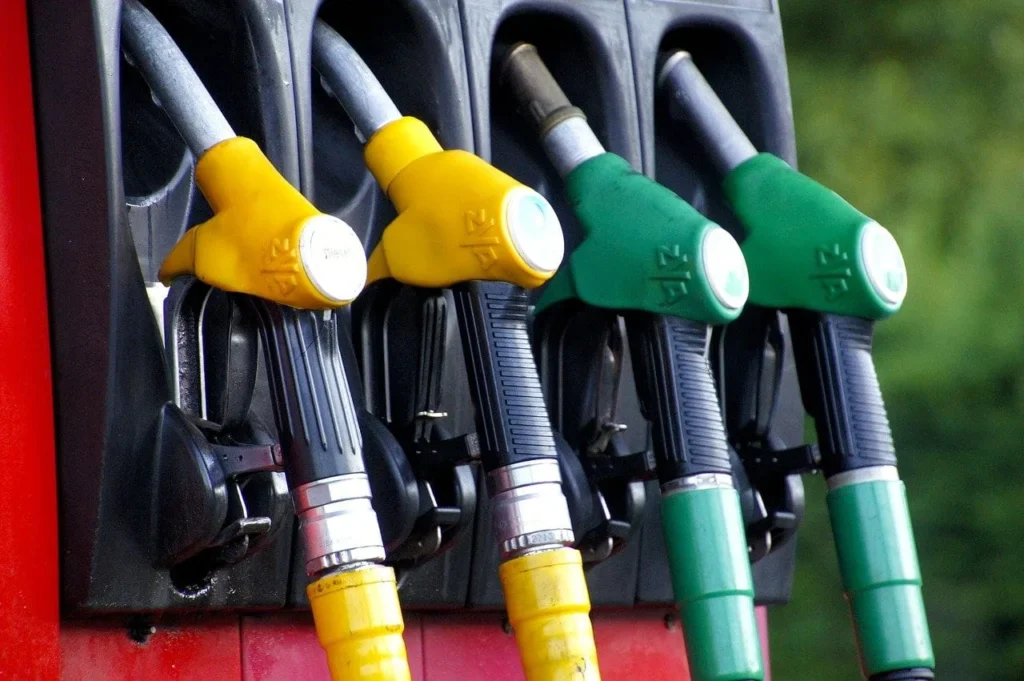
Under the new pricing schedule that takes effect from July 15, motorists in Nairobi will continue buying a litre of super petrol at Ksh.214.03, diesel at Ksh.222.86 and kerosene at Ksh.191.38.
EPRA attributed the decision to government measures introduced to shield consumers from fluctuations in the international oil market.
“The prices are inclusive of the Value Added Tax (VAT), in line with the VAT Act, 2013 as read with Legal Notice No. 128 of 14th July 2026, the Finance Act, 2023, the Tax Laws (Amendment) Act 2024 and the revised rates for excise duty adjusted for inflation as per Legal Notice No. 194 of 2020,” EPRA stated.
The latest review follows the government’s announcement of additional interventions to keep fuel costs steady despite rising global crude oil prices.
Energy Cabinet Secretary Opiyo Wandayi recently disclosed that Ksh.945 million from the Petroleum Development Levy would be used to support the July-August pricing cycle.
The government also extended the application of the eight per cent Value Added Tax on petroleum products for another three months, a move expected to remain in force until October 14, 2026, in an effort to cushion households and businesses from higher energy costs.
“As part of the Government’s commitment to cushioning households and businesses from international market volatility, in consultation with the National Treasury, we have extended the application period for 8% of Value Added Tax (VAT) on petroleum products for a further three months, until 14th October 2026,” Wandayi stated.
“Further, in the July-August 2026 pricing cycle, the Government will deploy a subsidy from the Petroleum Development Levy to the tune of Ksh.945 Million to sustain the current price levels,”he added .
The decision to maintain current pump prices offers temporary relief to consumers and businesses that depend on fuel, even as the government continues to balance the impact of volatile global oil markets with efforts to keep the cost of living under control.
