

Thousands of Kenyans affected by protest-related violence over the past decade could soon begin receiving compensation after a special panel released a framework outlining eligibility requirements and payment categories.
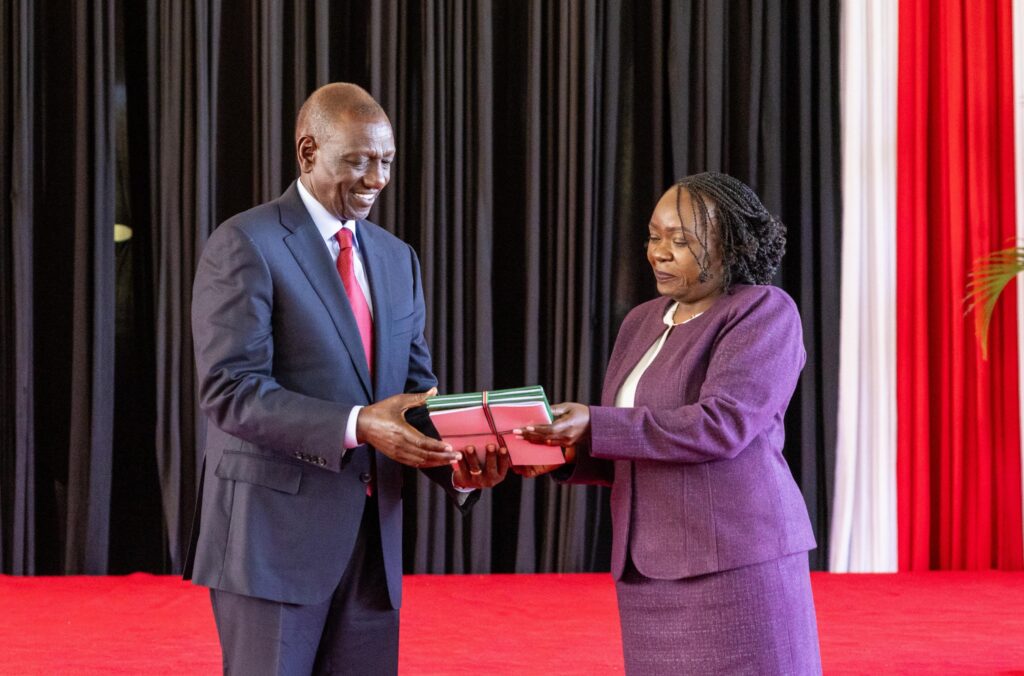
The compensation plan, unveiled by a team chaired by Prof. Makau Mutua, sets out how victims of incidents linked to demonstrations between 2013 and 2026 will be compensated.
The announcement comes ahead of the second anniversary of the June 25, 2024 anti-Finance Bill protests.
The framework follows recommendations submitted to President William Ruto by the Kenya National Commission on Human Rights (KNCHR) in line with court directives.
Under the programme, the government has allocated Ksh.2 billion to support victims and families affected by deaths, injuries, sexual violence and economic losses arising from protest-related incidents.
Compensation amounts will vary depending on the nature of the harm suffered. Families of those who lost their lives will be eligible for at least Ksh.3 million, while victims of severe injuries and aggravated sexual violence will qualify for a minimum of Ksh.1 million.
Those who sustained moderate injuries may receive Ksh.500,000, while individuals with minor injuries will be eligible for Ksh.50,000. The framework also provides additional support for outstanding medical expenses and certain economic losses linked to the incidents.
According to the panel, the compensation rates were informed by recommendations from KNCHR, previous court decisions and international practices used in addressing similar human rights violations.
To access the funds, applicants will be required to submit evidence supporting their claims. The panel stated that verification will be based on a reasonable basis to believe, a threshold lower than that used in criminal or civil court proceedings.
For fatality claims, required documents include a post-mortem report, burial permit and identification documents of the deceased.
Victims seeking compensation for injuries must provide medical records, P3 forms and relevant receipts. Those reporting sexual violence will need to submit a P3 form, medical documentation and an Occurrence Book (OB) number.
Individuals claiming financial losses must provide supporting records, witness statements and any other available evidence.
The panel emphasized that compensation does not exempt perpetrators from criminal liability.
Officials further clarified that individuals who previously filed complaints with KNCHR or the Independent Policing Oversight Authority (IPOA) will not be required to submit fresh applications.
New applicants will be able to lodge claims through the relevant agencies, by email or at designated offices whose locations are expected to be announced soon.
While the identities of applicants will remain protected, the panel noted that the names of successful beneficiaries may be published, subject to their consent.
The compensation programme marks a significant step in addressing grievances arising from years of protest-related violence. Beyond the financial support, however, many victims continue to seek accountability and justice, underscoring the broader national conversation on human rights, state responsibility and the protection of constitutional freedoms.
