

Fresh tensions have emerged between Iran and the United States after Tehran accused Washington of violating an ongoing ceasefire through a new wave of overnight strikes targeting missile facilities and military boats in southern Iran.
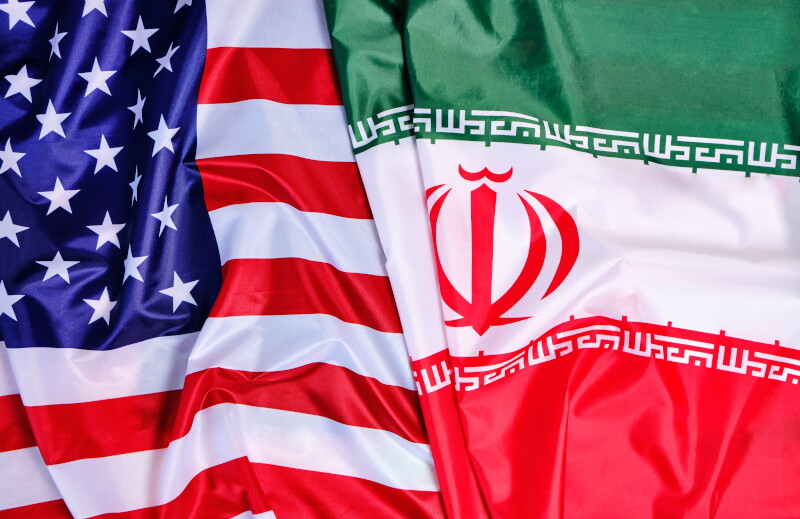
The renewed confrontation raised fears over the fragile truce, with global oil prices climbing sharply and world powers calling for restraint amid growing uncertainty in the region.
Iran’s foreign ministry claimed the attacks were carried out in Hormozgan province despite the ceasefire agreement that took effect earlier this year.
In a strongly worded statement, Tehran warned that it was prepared to respond to what it termed continued aggression by the US military.
“The US terrorist army, continuing its illegal and unjustified actions since the ceasefire , has, in the past 48 hours, committed a gross violation of the ceasefire in the Hormozgan region,” the Iranian foreign ministry said.
It added that Tehran will not leave any evil unanswered and will not hesitate to defend the Iranian nation.
Iranian state media also reported explosions in Bandar Abbas near the Strait of Hormuz, a key global oil shipping route. The country’s Revolutionary Guards said they had shot down an American drone that allegedly entered Iranian airspace and also fired at a US F-35 fighter jet.
The latest escalation rattled energy markets, with Brent crude prices rising by nearly three percent following confirmation from US Central Command that American forces had conducted fresh operations inside Iran.
A spokesperson for the command, Tim Hawkins, said the strikes were defensive in nature and meant to protect US personnel stationed in the region.
“US forces conducted self-defence strikes in southern Iran today to protect our troops from threats posed by Iranian forces,” Hawkins said.
He said the targets included missile launch sites and boats suspected of attempting to place naval mines.
Despite the renewed attacks, diplomatic efforts aimed at ending the conflict appeared to continue behind the scenes.
US Secretary of State Marco Rubio confirmed that discussions were ongoing in Qatar, expressing cautious optimism that progress could still be achieved.
“There were some talks going on in Qatar today, so we’ll see if we can make progress. I think it’s a lot of talking back and forth going on about specific language in the initial document, so it’ll take a few days,” Rubio told reporters during a visit to India.
Rubio also insisted that the Strait of Hormuz would remain open despite rising tensions in the Gulf region.
Iranian media reported that negotiators were seeking the release of frozen Iranian assets estimated at $24 billion as part of a broader 14-point agreement currently under discussion.
According to Tasnim news agency, part of the funds would be released once an initial memorandum of understanding is signed.
Meanwhile, China appealed to both nations to honour the ceasefire and pursue peaceful dialogue.
“We urge the parties concerned to fulfil their ceasefire commitments, resolve disputes through peaceful means… and promote the early restoration of peace,” Chinese foreign ministry spokeswoman Mao Ning said.
The conflict has also continued to affect neighbouring countries, with Israel carrying out fresh strikes in southern Lebanon after Prime Minister Benjamin Netanyahu vowed to crush Hezbollah.
Iran has maintained that any future peace arrangement should also address the conflict in Lebanon.
Amid the military and diplomatic developments, there was some relief for ordinary Iranians after internet access began returning in parts of the country following a prolonged nationwide shutdown.
Monitoring group NetBlocks described it as the longest nationwide internet shutdown in modern history.
Iran’s vice president later confirmed that steps had been taken to restore internet services.
“Since a few minutes ago I could open international websites using my home internet provider,” said a 22-year-old woman from the western city of Kermanshah, noting that virtual private networks are still needed to access social media platforms.
