

Iran has said its control over the Strait of Hormuz could boost national revenue and increase the country’s influence globally as tensions with the United States and Israel continue to affect movement through the strategic waterway.
The remarks were made on Wednesday by Iranian military spokesman Mohammad Akraminia, who said Tehran’s presence in the strait had placed the country in a stronger economic and diplomatic position.
“Our oversight of the Strait of Hormuz will generate significant economic revenues for our country , potentially even doubling our oil income and will strengthen our influence on the international stage,” he said.
Iran has largely restricted shipping through the Strait of Hormuz since the conflict involving the United States and Israel began on February 28.
The waterway is considered one of the world’s most important trade routes, handling nearly a fifth of global oil and liquefied natural gas shipments during normal times, alongside other major commodities.
The disruption has raised concerns in international markets and increased pressure on global energy supplies.
At the same time, the United States has maintained a naval blockade on Iranian ports despite a ceasefire that came into effect on April 8.
According to Mr Akraminia, the western side of the strait is currently under the control of Iran’s Revolutionary Guards naval forces, while the eastern section is managed by the Iranian navy.
Control of the Strait of Hormuz remains one of the major issues in ongoing negotiations between Tehran and Washington, with talks yet to reach a breakthrough.
Meanwhile, Ebrahim Azizi, who heads the Iranian parliament’s national security commission, said lawmakers had completed a plan aimed at managing the strategic route.
“The Islamic Republic of Iran intends to use this strategic position as a lever of power through strategic management of the Strait of Hormuz,” he said, according to Iranian state television.
Last month, Iranian deputy speaker of parliament Hamidreza Hajibabaei said the country had already started receiving revenue from toll charges imposed on ships passing through the strait.
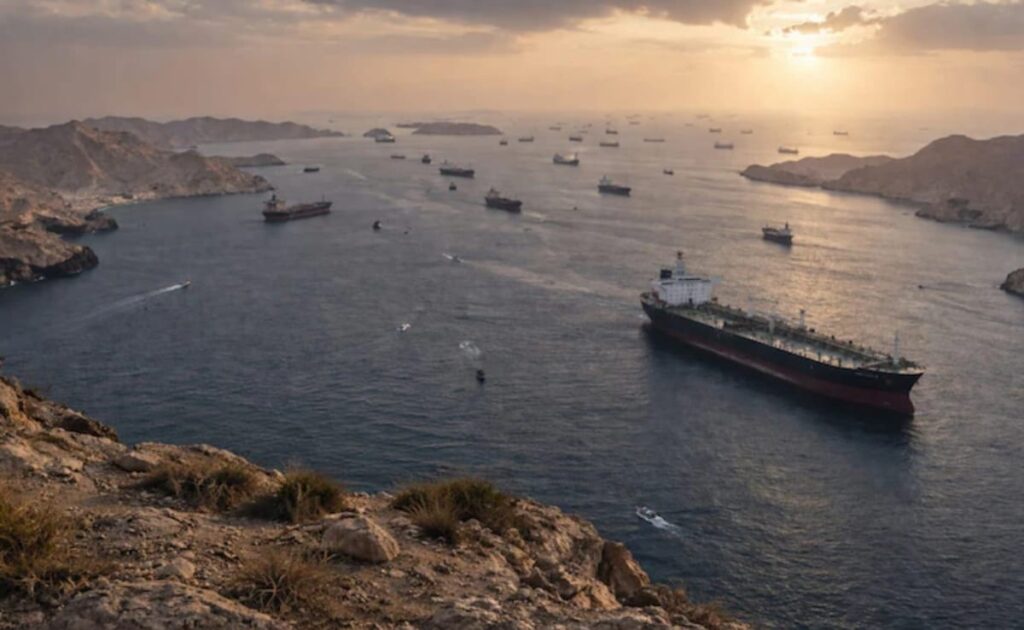
The Strait of Hormuz links the Gulf to the Arabian Sea and remains a key route for global energy exports, making developments in the region closely watched by governments and international markets.
