

Wiper Patriotic Front leader Kalonzo Musyoka has renewed his presidential campaign message, promising Kenyans a return to honest leadership, accountability, and equitable development.
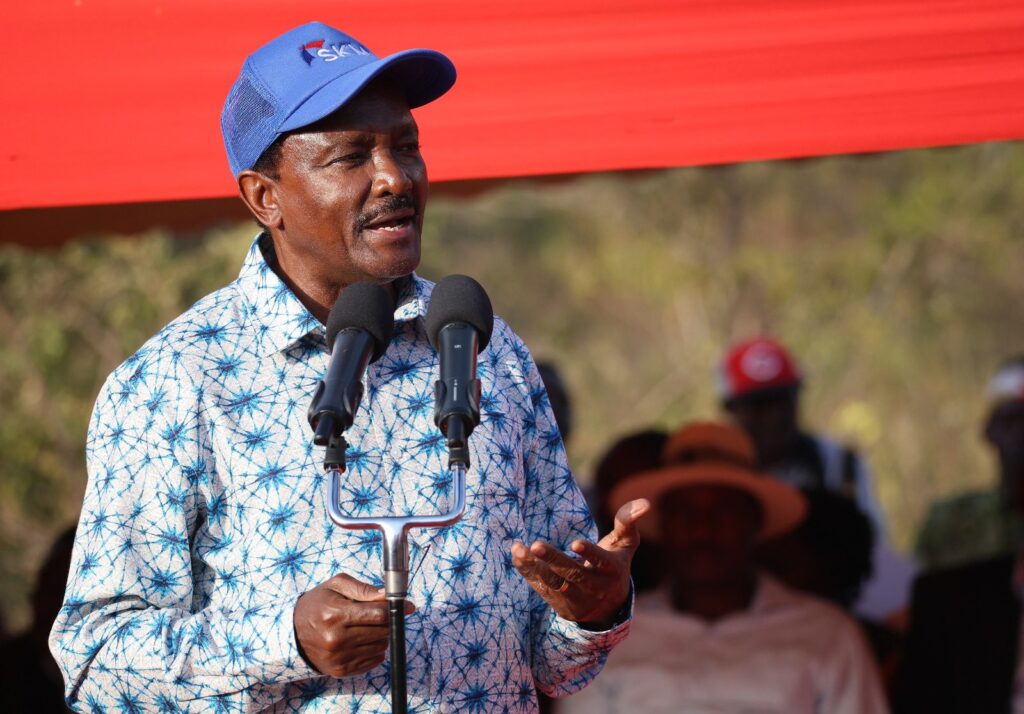
In a statement posted on X, Musyoka said Kenyans were tired of being remembered only during election periods and called for a government that serves citizens consistently rather than one built on handouts, unfulfilled promises, and the misuse of public resources for political interests.
“Kenyans are tired of being remembered only at election time. They want a government that serves them every day not one built on handouts, empty promises, and the misuse of public resources for political gain,” Kalonzo stated.
“I have heard you and I give you my word: this will not happen again,” he added.
The former Vice President said his administration would focus on ensuring that every region receives its fair share of development while strengthening public institutions and restoring trust in leadership.
Musyoka also pointed to his previous experience serving alongside former President Mwai Kibaki, saying their leadership helped steer Kenya through a period of stability, economic growth, and shared prosperity.
“I have done this before. Together with President Mwai Kibaki, I helped lead Kenya through a season of stability, growth, and shared prosperity. I am ready to do it again,” he said.
The Wiper leader said his focus would be on putting service delivery ahead of political interests, promising to promote accountability and dignity for all Kenyans.
His renewed campaign comes amid growing discussions within opposition circles over who should lead a united challenge against President William Ruto in 2027.
The latest Infotrak Survey placed Musyoka as the most preferred opposition presidential candidate, with 27 per cent support, narrowly ahead of former Interior Cabinet Secretary Dr Fred Matiang’i at 26 per cent and former Nairobi Senator Edwin Sifuna at 19 per cent.
The poll also indicates that a Kalonzo Musyoka-Edwin Sifuna ticket is currently the most preferred opposition pairing, receiving 23 per cent support among respondents
