

The United States has introduced tougher immigration rules that will significantly reduce how long foreign students and international journalists can remain in the country, marking another step in President Donald Trump’s broader effort to tighten legal immigration.
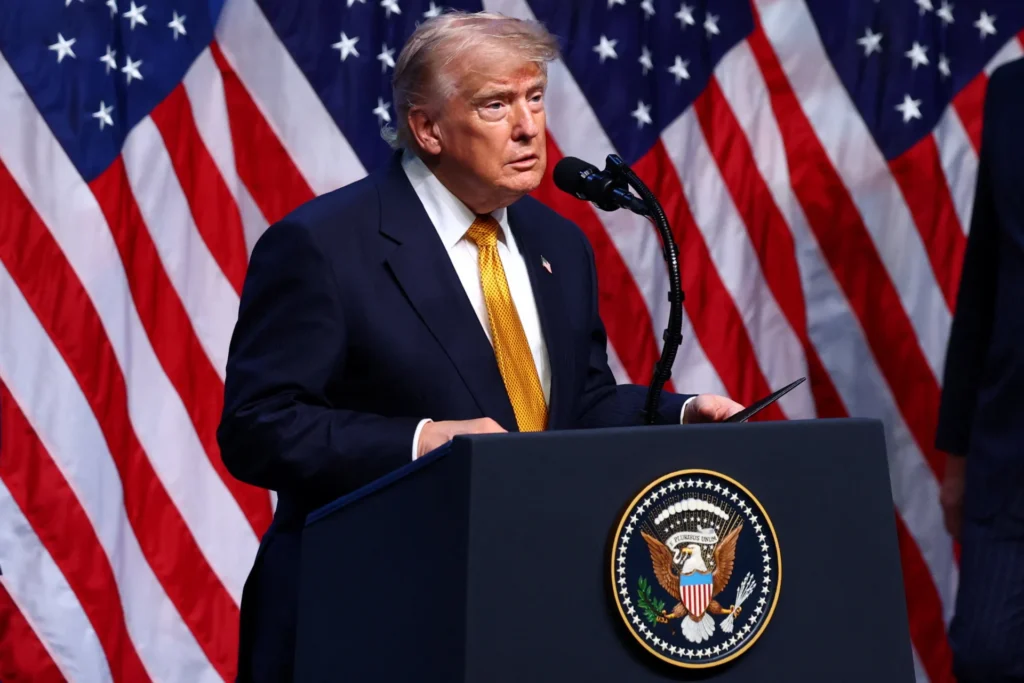
Under the new regulations, expected to take effect as early as September, international students will be allowed to stay only for the duration of their academic programme, with a maximum limit of four years.
Foreign journalists will be permitted to remain in the country for 240 days, or about eight months, with the option of applying for additional 240-day extensions.
Chinese journalists, however, will be restricted to stays of just 90 days.
The changes are part of a wider immigration agenda that has defined Trump’s presidency, combining stricter border enforcement with tighter controls on legal entry and residency.
The Department of Homeland Security (DHS) finalised the rules after reviewing nearly 22,000 public submissions received following their publication in August 2025.
Despite the feedback, the department made only minor adjustments before approving the regulations.
When the proposal was first introduced, DHS argued that some international students had taken advantage of the existing system to remain in the country indefinitely as forever students.
The agency maintained that the long-standing policy, which had been in place since the late 1970s, made it difficult to effectively monitor visa holders.
The decision comes despite the significant contribution of international students to the US economy. Official figures show that more than 1.1 million foreign students were enrolled in American institutions during the 2023–24 academic year, contributing over 50 billion dollars to the economy in 2023.
Higher education institutions strongly opposed the changes, warning they could discourage talented students from choosing the United States.
The Presidents’ Alliance on Higher Education and Immigration argued the policy . “Weakens the ability of US colleges and universities to attract top talent, ” it said.
Media organisations and international partners also expressed concern over the new restrictions affecting foreign correspondents.
Among those urging the government to allow longer posting periods was the Embassy of Japan, alongside several international media stakeholders.
However, DHS rejected proposals seeking admission periods of between two and five years, as well as requests for faster visa processing and limits on application fees for journalists.
American universities have already reported declining international enrolment following earlier measures by the Trump administration, including the cancellation of thousands of student visas and reductions in federal research funding.
The policy revives a proposal first introduced during Trump’s previous term before it was later withdrawn by former President Joe Biden.
The new rule will now be subject to review by the Republican-controlled Congress.
The latest measures signal Washington’s continued push for tighter immigration controls, a move likely to spark fresh debate over its impact on education, journalism and the country’s ability to attract global talent.
