

Concern is growing over the whereabouts of a South Sudanese whistleblower who was reportedly seized in Nairobi before allegedly being taken to Juba, South Sudan’s capital, under circumstances that have triggered fresh scrutiny of the safety of political dissidents living in Kenya.
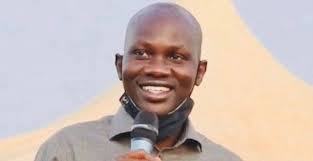
Al-Gaddhaffy-Dit, who is reported to hold both South Sudanese and Kenyan citizenship, disappeared in the early hours of Tuesday.
According to information contained in a police report filed by his wife, armed and masked men allegedly intercepted him shortly after he left a casino on the outskirts of Nairobi. Witnesses told investigators that the men forced him into a white vehicle and drove away.
Since then, his family says they have been unable to establish his whereabouts.
Expressing concern over his welfare, his wife said she fears for his safety and health. “I have no idea where he is currently being held in Juba and I am very worried about his health and the conditions that he is being kept in,” she said in a statement.
“I pray that whoever is holding him treats him well and looks after him. Gaddhaffy is a loving father and husband and we are very worried about him,”She added.
Authorities in both Kenya and South Sudan have said they have no information regarding the alleged incident.
South Sudan government spokesperson Ateny Wek Ateny and Kenya’s Principal Secretary for Foreign Affairs Korir Sing’Oei stated that they were unaware of the matter.
Kenyan police had not publicly commented by the time of reporting. The case has reignited debate over a series of incidents involving foreign nationals who claim to have been targeted while residing in Kenya.
Reacting to reports of the alleged abduction, former U.S. Assistant Secretary of State for African Affairs Tibor Nagy questioned whether Kenya remains a safe destination for individuals fleeing political persecution.
“Nairobi used to be safe for those seeking refuge from authoritarian regimes – (this) seems that it’s over. Too bad,” Nagy wrote on X.
Human rights organisations have also expressed concern. Amnesty International warned that returning Gaddhaffy-Dit to South Sudan could expose him to serious risks.
According to the rights group, deporting him would pose a serious and urgent threat to his life, safety and fundamental rights.
Kenyan activist Boniface Mwangi told Reuters that he met Gaddhaffy-Dit in April and learned that he had shared information regarding alleged corruption involving senior officials in South Sudan.
Mwangi said the whistleblower believed he had become a target because of the disclosures he had made to journalists and diplomats.
The concerns raised by activists echo findings contained in a 2023 report by the United Nations Commission on Human Rights in South Sudan.
The commission documented what it described as the ongoing pervasiveness of extra-territorial operations by South Sudanese security agencies, particularly in neighbouring countries such as Kenya and Uganda.
The report cited incidents including alleged illegal renditions, surveillance and threats directed at South Sudanese dissidents living abroad.
South Sudan’s government has consistently rejected accusations of widespread human rights abuses.
As questions continue to surround Gaddhaffy-Dit’s disappearance, pressure is likely to mount on authorities in both Kenya and South Sudan to establish the facts and account for his whereabouts.
