

Washington has suggested that its ongoing trade concerns with the European Union over alleged forced labour issues could be eased through the implementation of a previously agreed trade framework.
US Trade Representative Jamieson Greer indicated that the arrangement struck with Brussels may provide a pathway to address concerns that have underpinned plans for new tariffs targeting multiple trading partners.
His office had earlier floated proposed import duties of between 10 and 12.5 per cent affecting about 60 economies accused of not doing enough to tackle forced labour in global supply chains.
The move has already drawn criticism from several affected partners. The European Union reacted strongly to the assessment, rejecting claims that it had failed to properly enforce rules banning goods linked to forced labour.
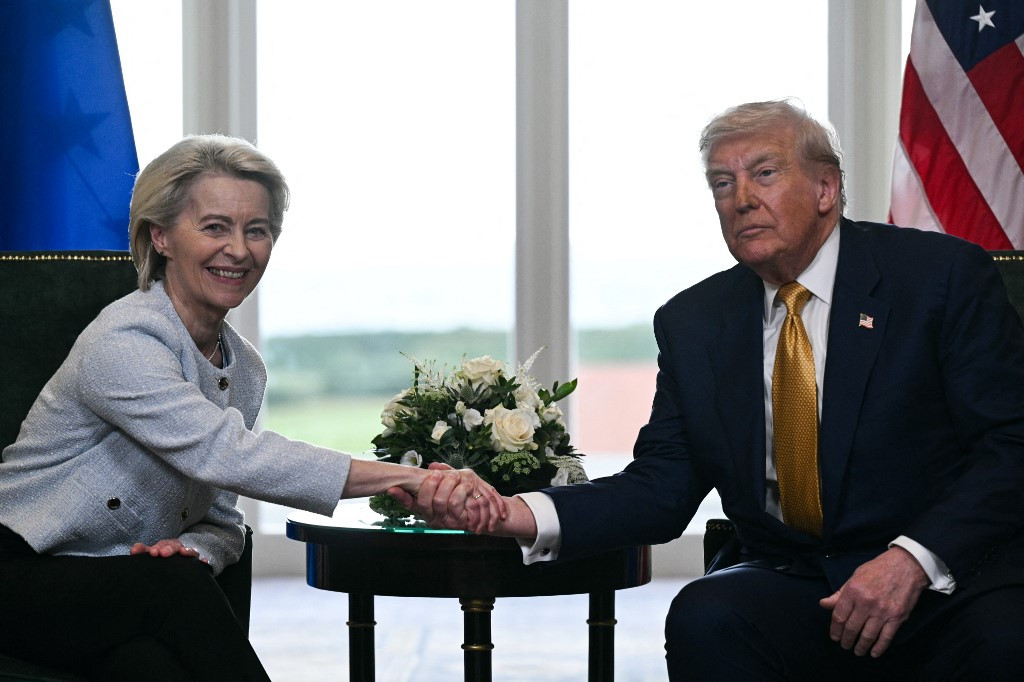
Brussels insisted that existing commitments under the Turnberry trade agreement, concluded last year, should be fully respected.
The deal sets a ceiling of 15 per cent on US tariffs for most European exports.
Speaking in Paris during an OECD meeting, Greer said existing commitments would be factored into Washington’s approach.
“We understand that a deal is a deal and we’re going to take into account the Turnberry deal,” Greer said in Paris on the sidelines of a meeting at the Organisation of Economic Cooperation and Development.
He added that the US administration is focused on addressing trade practices it believes were identified through its investigations, while leaving room for existing agreements where they are properly implemented.
“Because we believe that the Turnberry deal addresses a lot of these issues, if it’s fully implemented… we believe that there’s room to accommodate that deal within the context of what we’re doing, provided that the European Union delivers on the Turnberry deal,” Greer said.
The EU has pushed back against the tariff proposal and called on Washington to adhere to the spirit of the agreement, arguing that its commitments on labour standards and trade rules are already in place.
Under political pressure from the United States, EU institutions and member states have since moved to advance the Turnberry deal for final approval, with lawmakers working to meet a July 4 deadline set by the Trump administration.
The developments come as both sides seek to balance trade enforcement concerns with efforts to avoid a broader escalation in transatlantic trade tensions.
