

A proposal contained in the Finance Bill 2026 to impose a 16 per cent Value Added Tax (VAT) on digital payment services has triggered fresh debate among Kenyans, with concerns emerging over the possible rise in the cost of online transactions and mobile payments.
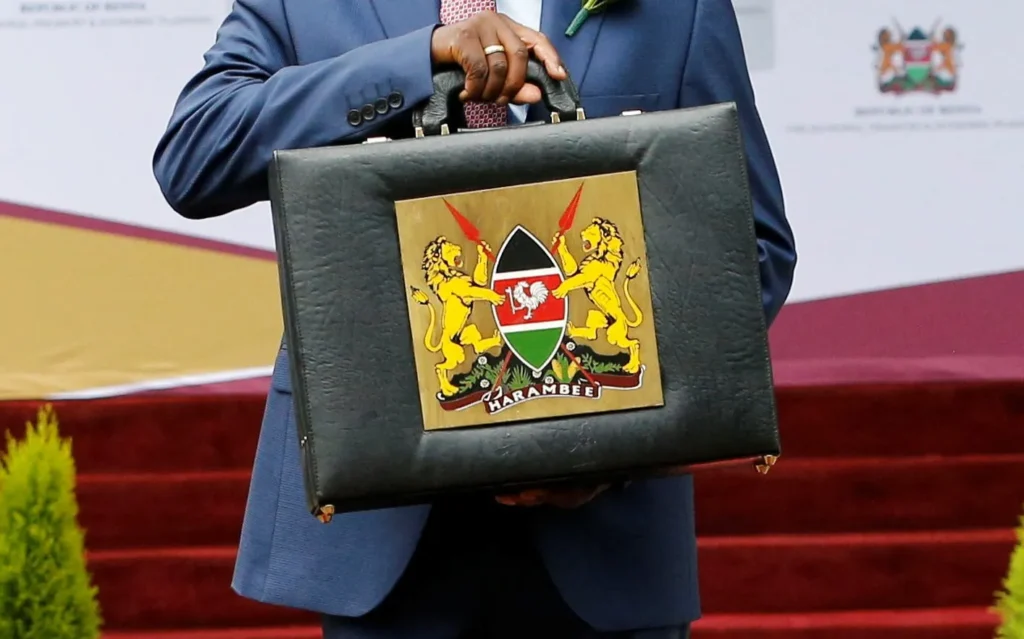
The proposed changes target digital payment processing services that are currently exempt from VAT. If approved by Parliament, companies handling online payments, mobile money transactions and card processing services will begin charging VAT on transaction-related fees.
The proposal is part of the government’s wider plan to increase revenue collection for the upcoming financial year through new tax measures contained in the Finance Bill 2026.
“Under the changes, payment service providers and businesses involved in processing digital transactions would face higher operational costs due to the new tax,” the proposal displayed.
In simple terms, services that currently attract transaction or processing charges without VAT would now have an additional 16 per cent tax attached to them.
The move is expected to affect firms operating online checkout systems, mobile money payment channels and point-of-sale card machines used by businesses across the country.
Although the tax would technically be charged on financial and payment processing companies, industry observers warn that the added costs are likely to be transferred to consumers and traders through increased transaction charges.
This could make online shopping, mobile payments and other digital financial services more expensive for ordinary Kenyans who increasingly rely on cashless transactions for daily activities.
The proposal has also reignited debate over the affordability of digital services at a time when Kenya continues to position itself as a leader in financial technology and mobile money innovation.
Critics argue that additional taxes on digital transactions could discourage small businesses and low-income earners from embracing cashless payment systems, especially in informal sectors where mobile money remains the easiest mode of payment.
Others, however, believe the government is seeking to widen the tax base by targeting sectors that have experienced rapid growth over the years.
The Finance Bill 2026 has in recent weeks generated public discussion over several proposed tax measures, with Kenyans closely following clauses likely to affect the cost of living and everyday transactions.
Parliament is expected to debate the proposals before the start of the next financial year.
