

The National Museums of Kenya (NMK) has unveiled revised entry fees for its heritage sites and museums, set to take effect from May 7, 2026.
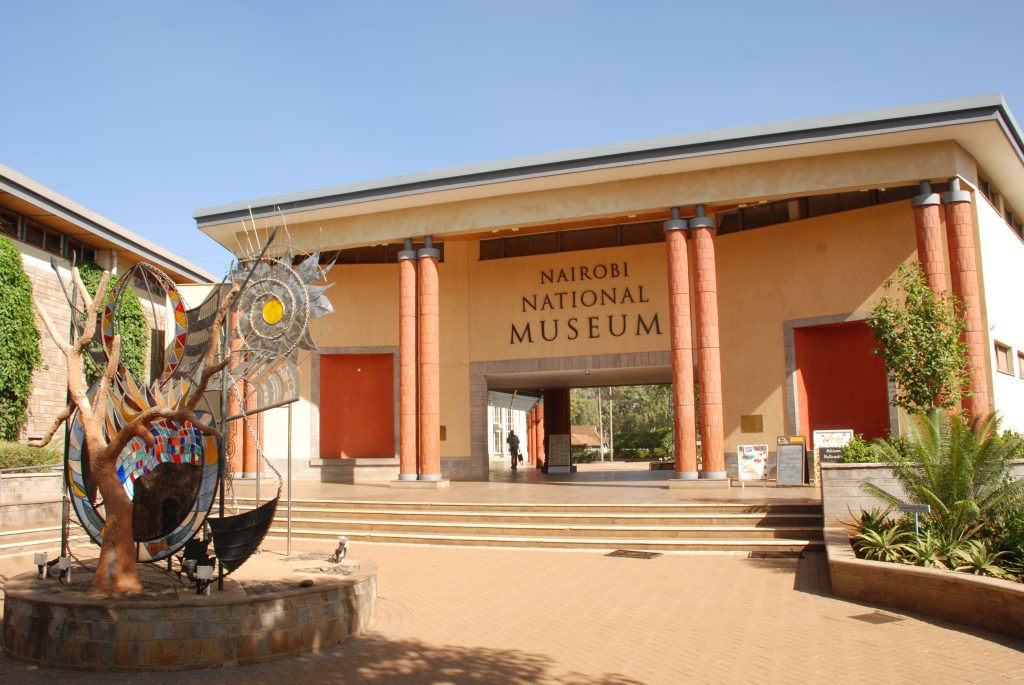
In a public notice on Tuesday, NMK said the changes were made pursuant to Legal Notice No. 79 of 2025 under the Museums and Heritage Act, with the adjustments affecting both local and international visitors across its facilities.
Under the new pricing structure, adults from Kenya and the East African region visiting the Nairobi National Museum will now pay Sh350, up from Sh300. Children’s fees have also risen to Sh200 from the previous Sh150.
Visitors from other African countries will now be charged US$9 for adults and US$6 for children, while international visitors from outside Africa will pay US$18 for adults and US$9 for children. Previously, non-residents were paying Sh1,200 for adults and Sh600 for children.
At the Snake Park, adult Kenyan and East African citizens will pay Sh350, while children will pay Sh200. Residents of Africa will pay US$6 for adults and US$3 for children and US$18 for adult foreigners from outside Africa and US$ 9 for children.
Entry to the Nairobi Gallery will now cost Kenyan adults Sh300 and children Sh200 under the revised pricing structure.
Foreign visitors from outside Africa will be charged US$14 for adults and US$7 for children, reflecting an upward adjustment in line with updated rates across national museums.
At the Karen Blixen Museum and Fort Jesus, Kenyan adults will now pay Sh550, while children will be charged Sh300. Visitors from the rest of Africa will pay US$9 for adults and US$6 for children, while non-residents from outside the continent will be charged US$17 for adults and US$8 for children.
The NMK Director General said the adjustments is part of the museum’s efforts to improve visitor experiences and sustain conservation efforts.
“These adjustments are necessary to support the maintenance of our heritage sites, improve services, and ensure that future generations can continue to enjoy and learn from Kenya’s rich cultural and natural heritage,” he said.
The changes also affect other heritage sites including Lamu Museum, Swahili House, German Post Office, and Tambach, Kapenguria, and Shimoni sites.
