

FIFA’s proposal to open up investment opportunities in its biggest football competitions has sparked fresh debate, with analysts suggesting the plan could receive strong backing from smaller football associations that stand to benefit financially despite criticism from some of the sport’s leading governing bodies.
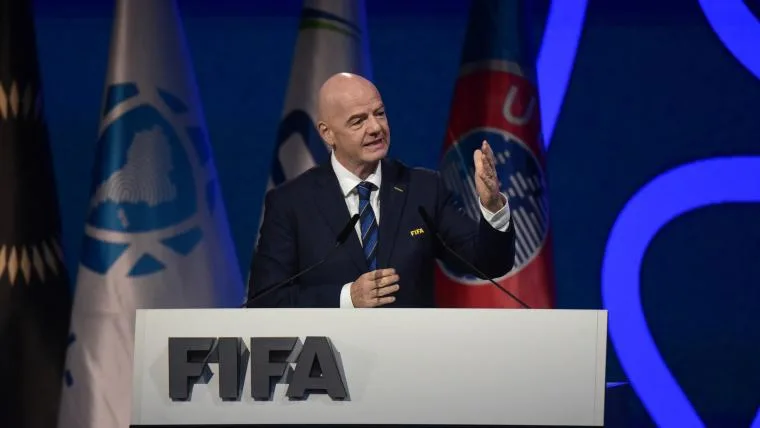
The world football governing body recently unveiled plans to establish a separate commercial entity to oversee its flagship tournaments, including the FIFA World Cup.
The move is aimed at unlocking new investment opportunities and increasing revenue generated from global competitions.
The proposal comes after the 2026 FIFA World Cup in North America generated a record $15 billion in revenue, nearly twice the amount earned from the tournament held in Qatar four years earlier. If the new structure is approved, FIFA expects commercial returns from its major events to grow even further.
While UEFA has openly criticised the proposal, football finance expert Kieran Maguire believes many smaller member associations could support it because of the financial benefits on offer.
During an interview with Britain’s Press Association, Maguire said each association could receive an initial payment of about $20 million, making the proposal highly attractive to nations with limited football resources.
Maguire also suggested the commercial model could strengthen calls for an even larger and more frequent World Cup. “Given that it will be mainly focusing on making money, I think we’d expect there to be an increased World Cup,” Maguire said.
He added that holding the tournament every two years and expanding the number of participating teams would create additional matches and increase commercial returns.
“Having it every two years and having it even bigger than it is now more matches, more tournaments means more money, and a lot of people will do well out of that,”he added.
However, the proposal is expected to face significant resistance.
Previous attempts to introduce a biennial World Cup were rejected because of concerns over the international football calendar and the physical demands placed on players.
Explaining why investors may favour the proposal, Maguire said, “If I’m an investor putting money in, I want to get my money out as quickly as I can.”
He added that increasing the frequency of the tournament would make commercial sense for investors but acknowledged it would create major scheduling challenges.
“So therefore increasing the cycle of World Cups makes sense from the investor point of view. How it’s going to fit in on the calendar, I don’t know. If it’s expanded further the clubs won’t be happy because their players have missed out on the pre-season training. I can assure you the players’ union will be opposed to it as well,” he noted.
As discussions continue, FIFA’s proposal is likely to remain a divisive issue.
While many smaller football associations may welcome the prospect of increased funding, concerns over player welfare, fixture congestion and the future balance of the global football calendar are expected to remain at the centre of the debate.
